At last you have found the perfect store to shop for your fine piercing jewelry from the comfort of your own home. At FreshTrends we design and create custom body jewelry from solid 14k gold and platinum. We are a small business located in Palm Beach, Florida dedicated to making high quality gold body jewelry that you will never want to take off.
What is the Best Jewelry Material for New Piercings?
What is the Best Jewelry Material for New Piercings?
By Jess L06/15/2026
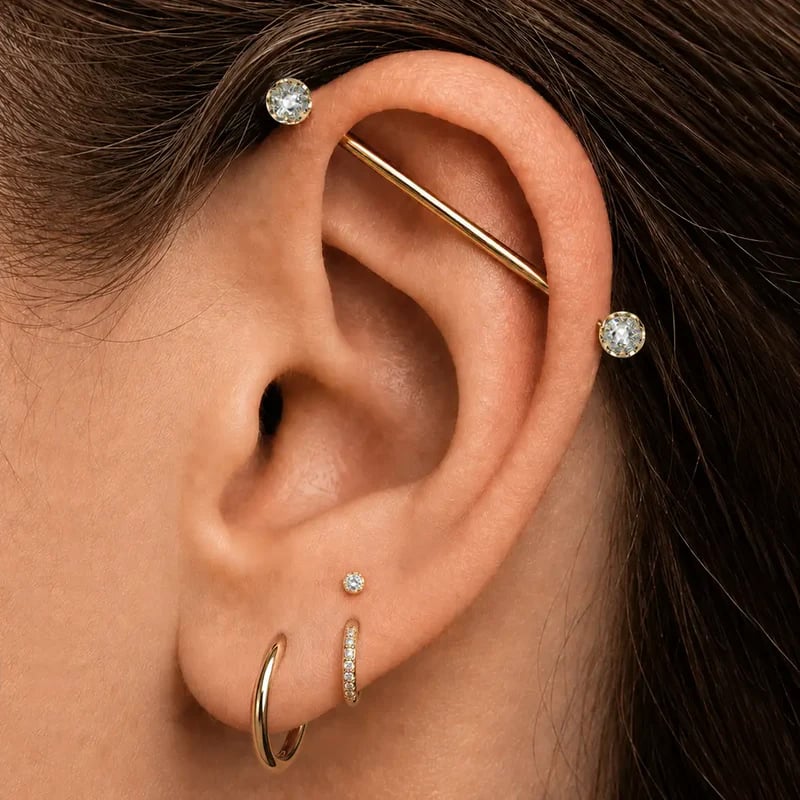
Choosing the best jewelry material for new piercings is not simply a matter of preference—it is a critical decision that directly impacts healing, comfort, and long-term wear. While many begin their search with body jewelry materials, the answer consistently leads to fine piercing jewelry crafted from biocompatible, premium metals.
Why Material Matters for Healing
A new piercing is a healing wound. The material placed in that piercing must support—not disrupt—the body’s natural recovery process. Biocompatible materials create a stable, non-reactive environment, allowing tissue to heal efficiently. In contrast, reactive metals can trigger inflammation, prolong healing, and increase the risk of complications.
The Best Materials for New Piercings
Implant-Grade Titanium (ASTM F-136) Implant-grade titanium is widely considered the gold standard for initial piercings. It is completely nickel-free, lightweight, and highly biocompatible—making it ideal for sensitive skin and healing tissue.
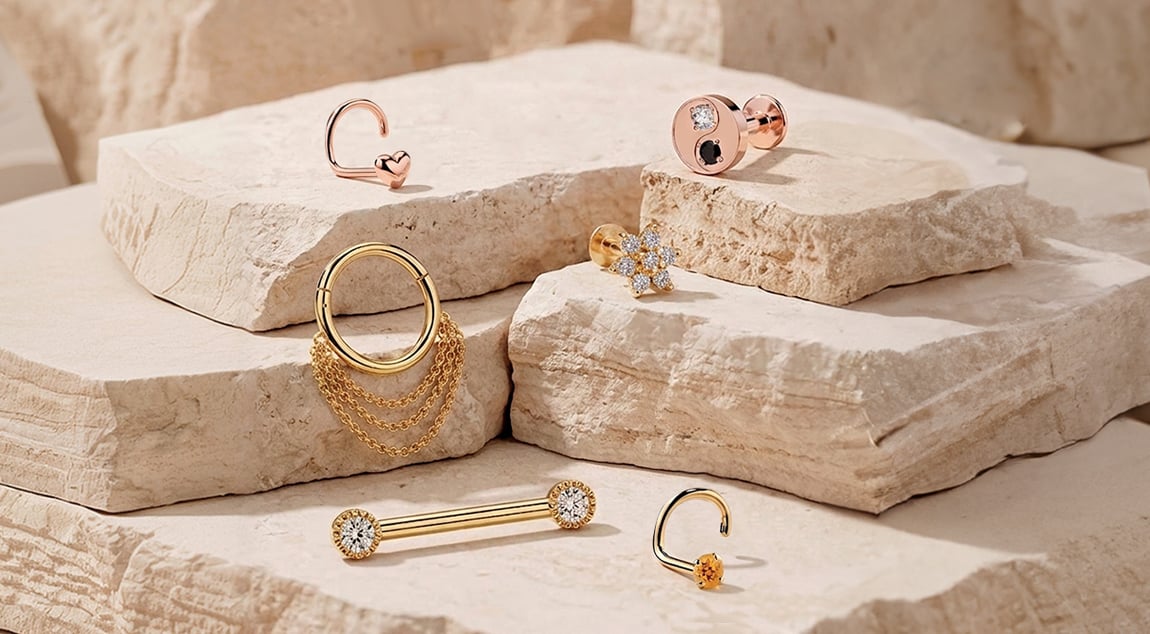
Solid 14k and 18k Gold Solid gold piercing jewelry offers both safety and refinement when properly alloyed to be nickel-free. Unlike plated alternatives, solid gold provides consistent biocompatibility and long-term durability. Platinum Platinum represents the highest level of purity and stability. Naturally hypoallergenic and resistant to wear, platinum piercing jewelry is an exceptional choice for those seeking both luxury and performance.
Implant-Grade Stainless Steel (With Caution) Certain grades of implant-certified stainless steel can be appropriate for new piercings. However, because even trace nickel content may affect sensitive individuals, titanium and gold are often preferred.
Materials to Avoid for New Piercings
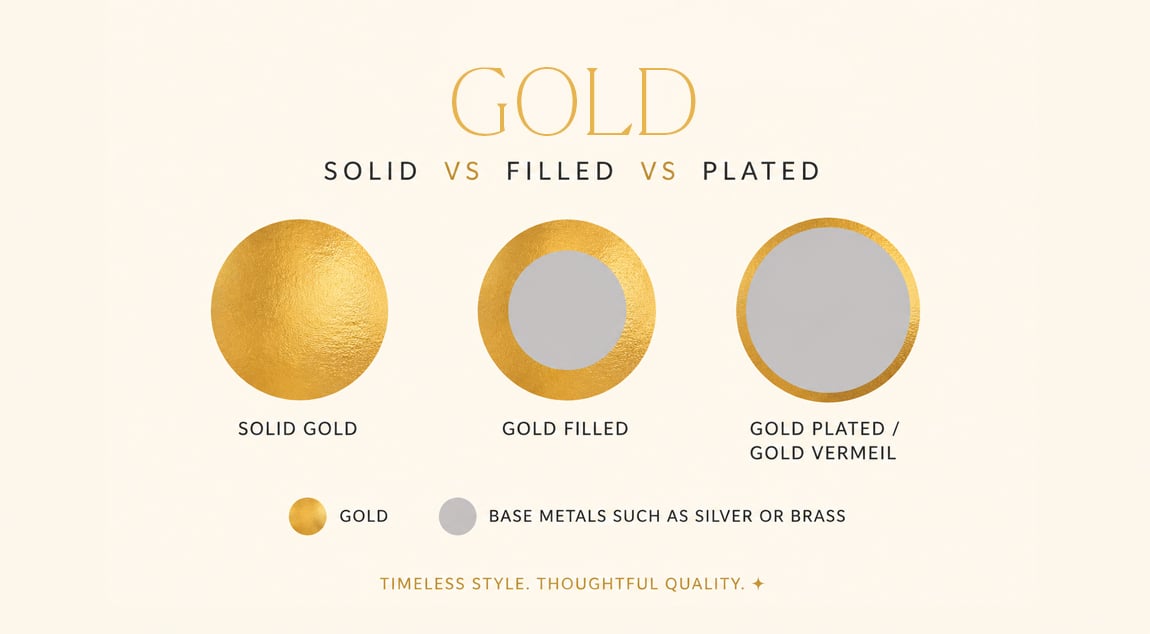
Low-quality materials can compromise healing. Jewelry containing nickel, brass, or unknown alloys frequently causes irritation and allergic reactions. Plated, filled, or vermeil jewelry should also be avoided, as the outer layer can wear away—exposing reactive base metals. Acrylic, plastic, and non-medical-grade silicone are porous and can harbor bacteria, increasing infection risk.
Solid vs Plated: Why It Matters
Solid metals provide consistency and safety throughout the entire piece. In contrast, plated jewelry only offers a temporary surface layer of precious metal. For new piercings, this distinction is essential. As plating wears, it exposes underlying materials that may disrupt healing and cause irritation.
How to Identify High-Quality Piercing Jewelry
High-quality piercing jewelry is defined by transparency and certification. Look for ASTM designations for titanium, certificate of assay and/or karat stamps, and confirmation of nickel-free composition. Reputable brands prioritize craftsmanship, material integrity, and precise engineering—ensuring each piece is safe for long-term wear.
For those who want an extra level of confidence, our Piercing Advisor service takes the guesswork out of the process. Whether you’re unsure about sizing, choosing between a flat back stud or hoop, or refining your ear curation, our experts provide personalized, one-on-one guidance tailored to cartilage piercings. Every recommendation is based on your anatomy, piercing placement, and style preferences. From first-time buyers to seasoned collectors, the service ensures every detail—from post length and gauge to diamond scale and proportions—is thoughtfully considered.
Where luxury meets responsibility.
The Shift to Fine Piercing Jewelry
While many searches begin with body jewelry materials, informed consumers increasingly choose fine piercing jewelry designed for longevity, safety, and comfort. This shift reflects a deeper understanding: jewelry worn inside the body must meet higher standards than conventional accessories.
The best jewelry material for new piercings is one that supports healing, minimizes risk, and delivers lasting quality. Implant-grade titanium, solid gold, and platinum represent the highest standards in modern piercing jewelry. By choosing custom-made, responsibly crafted fine piercing jewelry, you invest not only in aesthetics—but in comfort, safety, and long-term wearability.






Leave A Comment